GLP-1 / metabolic
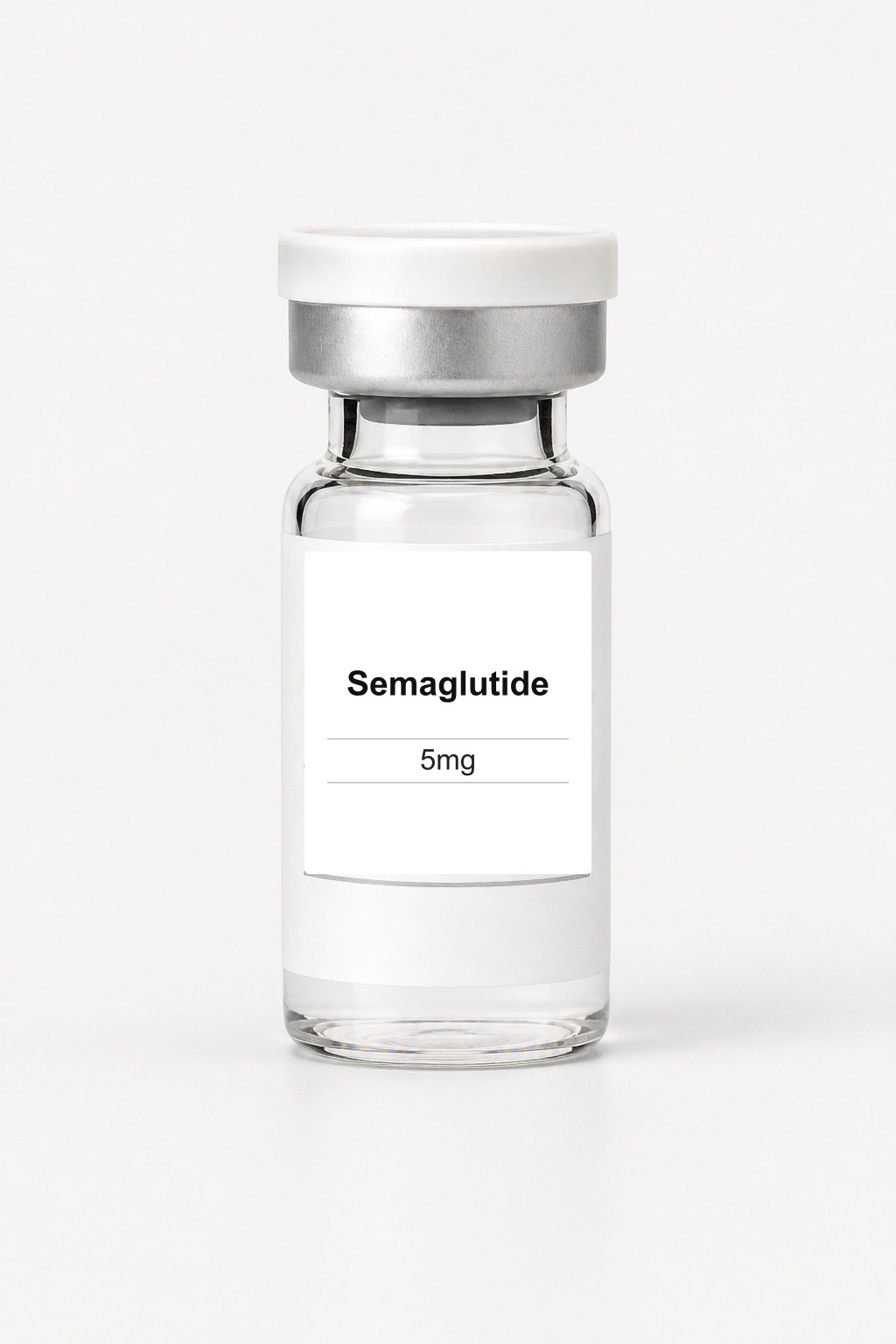
Semaglutide
Used in research and clinic for body weight, appetite and type 2 diabetes (GLP-1 agonist).
What it is used for
- Type 2 diabetes (local indications)
- Obesity / overweight (product-dependent)
- Appetite and calorie-intake control
- Support for glycaemic markers
Disclaimer — Research Use Only
Materials listed on this website are supplied for laboratory research only (Research Use Only). They are not intended for human consumption.
Quick Facts
- Category
- GLP-1 / metabolic
- Research status
- Approved in selected indications (outside MarcinLabs)
- Strength (illustration)
- 15 mg
- Price-list variants
- 5mg · 10mg · 15mg · 20mg
- Also known as
- —
Overview
Semaglutide is a GLP-1 analogue known from numerous clinical trials on body weight, appetite and glycaemia. We discuss it educationally — without dosing or therapy recommendations.
What it is used for
Community and research context — not a medical indication or treatment advice.
- Type 2 diabetes (local indications)
- Obesity / overweight (product-dependent)
- Appetite and calorie-intake control
- Support for glycaemic markers
Semaglutide is the classic GLP-1 agonist: in medicine it is associated with type 2 diabetes and — in selected products/jurisdictions — metabolic research context. Personal logs and social media focus on appetite drop and weight reduction. Remember that brands and doses have different labels; not everything called “sema” is the same clinical product.
For people learning the GLP-1 class and comparing literature with the journey documented on MarcinLabs.
How it works
A long-acting GLP-1 receptor agonist studied in laboratory and clinical research models relating to satiety signalling, gastric emptying and glucose handling. Described here as a research compound — not a consumer product.
GLP-1 receptor activation influences satiety signalling, gastric emptying and glucose handling. Effects seen in studies depend on population and protocol.
How it is used (research context)
From protocols and documentation — not a dosing guide.
Prescription medicines have clear schedules (often weekly injections) and label escalation. Research products may be powder for reconstitution — a different legal and quality context. MarcinLabs does not replace the label or an endocrinologist.
Key takeaways
- Often the first reference point in GLP-1 conversations
- Strong appetite effect = risk of too little protein and micronutrients
- Monitoring GI comfort and hydration matters under clinical care
- Educational content ≠ green light to buy research material
Who this content is for: For people learning the GLP-1 class and comparing literature with the journey documented on MarcinLabs.
Current research
Approved in selected indications (outside MarcinLabs)
Semaglutide has approved indications in many countries in specific forms and doses. Regulatory information should be verified locally.
Contexts from literature — not therapeutic indications.
- Type 2 diabetes (clinical context)
- Body-weight reduction
- Cardiovascular risk (selected trials)
- Long-term tolerability
Potential side effects
- Nausea and other GI symptoms
- Gallstone risk with rapid body-composition research
- Pancreatitis warnings in literature and labels
- Interactions and contraindications — clinical assessment only
Frequently asked questions
Do MarcinLabs pages replace medical consultation?
Related scientific papers
Once-Weekly Semaglutide in Adults with Overweight or Obesity
Wilding et al. · 2021 · NEJM
PubMed / source →Related YouTube videos
YouTube HubNo matching videos — see the YouTube Hub.
Related MarcinLabs articles
ResearchNo direct notes — see the Research Hub.
Related peptides
Tirzepatide
Used for weight reduction, appetite and glycaemic control (dual GIP/GLP-1 agonist).
Retatrutide
Used in research on substantial body-composition research, appetite and metabolism (GIP/GLP-1/glucagon triple agonist).
AOD9604
Discussed for fat metabolism and body composition (hGH fragment; mixed evidence).
In the research library
Semaglutide